5/7/09

#5. Seagrass

Seagrasses are called seagrasses because the leaves are long and narrow and usually green, and grow in large meadow which make them look like grasslands. Seagrasses are important in coastal marine areas. That is beacause it is the main food for dugong and green turtles and makes a good habitat for many small marine animals. Also, the help keeping the water clear and it provides wave protection and protection for coastal erosion. Sea grasses are the only flowering plant in the sea. There are a lot of species of seagrasses however while there are over 500 species of algae, there are only 15 species of seagrasses on the Great Barrier Reef.


-->Sometimes, there are different colors of seagrasses. Why does that happen?

http://www.reef.crc.org.au/discover/plantsanimals/seagrass/index.html
http://www.answers.com/topic/seagrass-2

5/6/09

#6. Dwarf Minke Whales

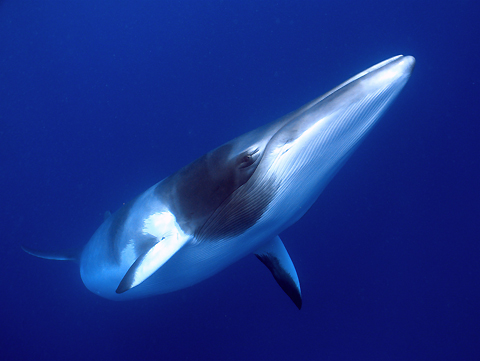
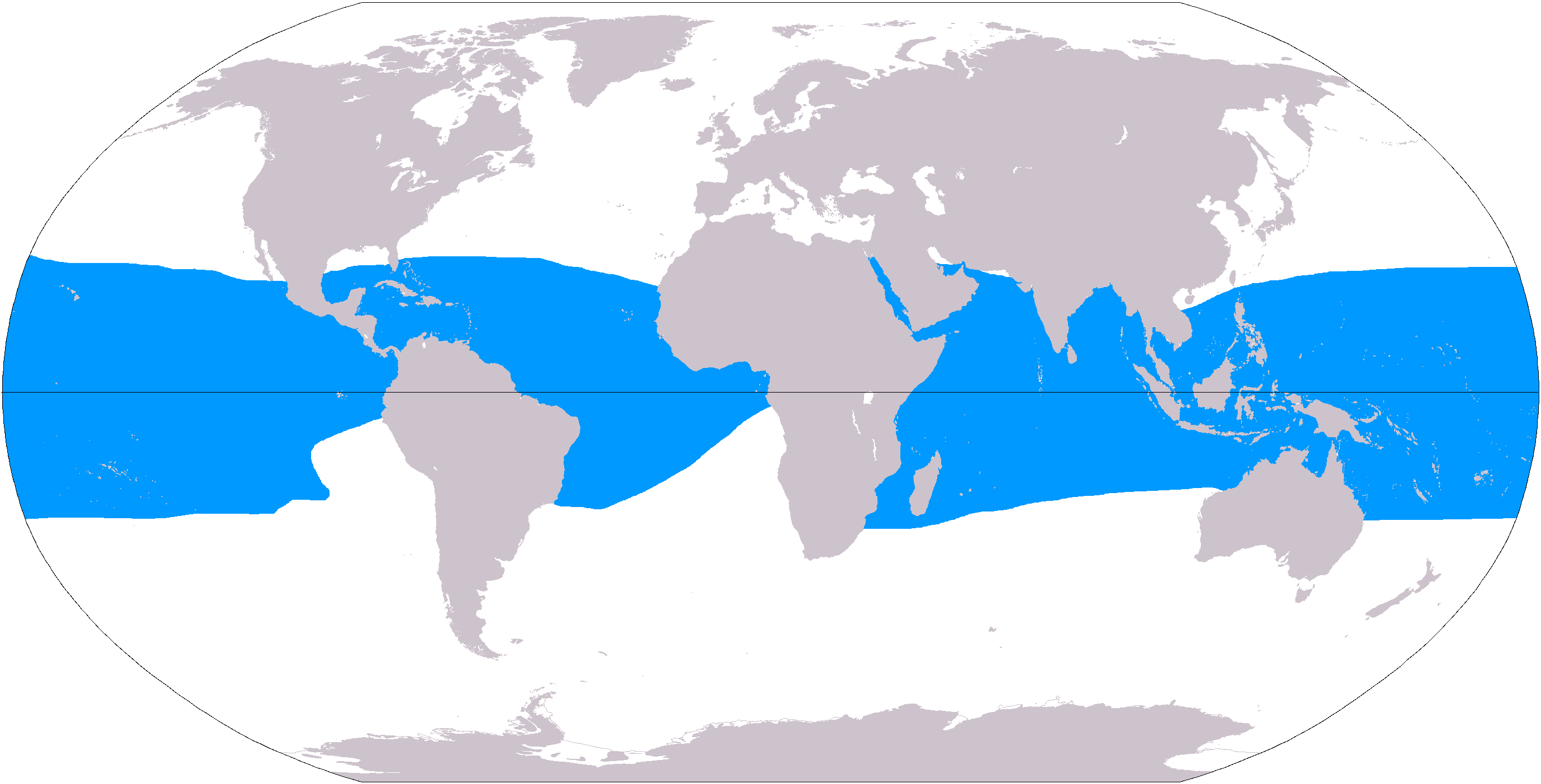
30 species of whales, dolphins and porpoises live in, or visit Great Barrier Reef waters. One of the whales is called is dwarf minke whale and it was only discovered in Great Barrier Reef waters during the 1980s. This whale is the second smallest of the balleen whales. The minke whale mostly to be seen is from the shore in the U.K. and Ireland, especially in Scotland, the Northern Isles and Western Ireland. It is rare in the Southern North Sea and Channel region. Most of the baleen whales undergo seasonal migrations and, in many cases, these are over huge distances. However the minke whale unusually are not conforming to this pattern, although they seem to move further away from the shore in the autumn. They also appear to be more solitary than other baleens.

-->Can you guess where the name of this whale came from?

http://www.abdn.ac.uk/mammal/minke.shtml

#6. Sea Snakes

Sea snakes are poisonous snakes that live in marine environments for most of their lives. Although they evolved from terrestrial ancestors, mostly got used to waters and they can't move on land except for the genus Laticauda but only limited movement on land. Their stretchy bodies are preadapted for efficient swimming. And most species have developed paddle shaped tails that further increases their ability to move in water.These are found in warm water from the Indian Ocean to the Pacific. And like Great Barrier reefs, these are found in Austrailian waters, too.
-->Why do you think although sea snakes' ancestors are form land, now they are used to the water?

5/5/09

#7. Indo-Pacific region


Coral reefs live in tropical waters near the equator. They have to live in warm waters because they cannot survive below 18 °C and 26-27 °C is for most coral reefs. Near the equater, the tropical regions are there. Which means that near the equator its warmer than onther places. Therefore, since coral reefs lives in warm places, naturally, they live in the Indo-Pacific region that includes the Red Sea, Indian Ocean, Southeast Asia and the Pacific. Although corals are found in tropical waters, shallow-water reefs are formed only in a zone extending from 30°N to 30°S of the equator. Tropical corals do not grow at depths of over 50 m (165 ft).
-->If it was you, would you live where coral reefs live in, too? If not, where?